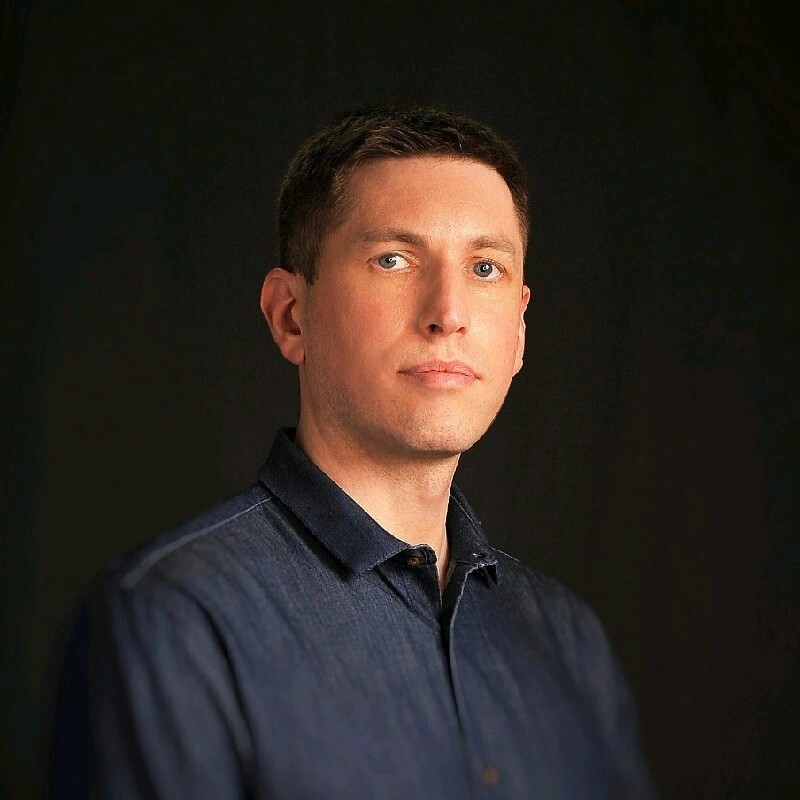
About Dr. Andrej Savic
Full Research Professor
Dr. Andrej Savic is a biomedical engineer and a full research professor. He builds AI-powered brain-computer interface (BCI) systems and takes them all the way to clinical validation with real patients. His work spans BCI design, EEG signal processing, machine learning for neural data, and clinical neurotechnology for stroke, ALS, Parkinson’s disease, multiple sclerosis, dyslexia, and pain. He has led funded research projects, supervised PhD students, and collaborated with research groups globally. He serves as an Associate Editor of IEEE Transactions on Neural Systems and Rehabilitation Engineering, the flagship journal in the field.
He designed, built, and clinically tested BCI systems for motor and sensory rehabilitation after stroke, assistive communication for patients with amyotrophic lateral sclerosis (ALS), and cognitive workload monitoring in industrial settings. He is skilled at combining deep EEG signal processing expertise with modern machine learning methods, real-time algorithms for detecting motor intention, classifying cognitive states, and tracking somatosensory processing, using approaches that range from classical signal processing to deep learning and neural data classification techniques at the forefront of the current AI-neurotech convergence.
Dr. Savic has supervised 3 doctoral dissertations to completion and contributed to 15+ PhD-level research projects as co-supervisor, methodology advisor, or EEG/BCI technical lead across multiple institutions. He teaches at the doctoral level across three University of Belgrade programs: Biomedical Engineering, Intelligent Systems, and Biophysics. Several former students have gone on to establish their own research directions in neurotechnology.
Career Timeline
BSc in Biomedical Engineering, University of Belgrade, School of Electrical Engineering
MSc in Biomedical Engineering, thesis on "BCI movement detection in patients with tremor" (EU FP7 TREMOR Project)
PhD in Electrical Engineering and Computer Sciences, thesis on "EEG control signals for brain-computer interface in neurorehabilitation"
Appointed to teach doctoral courses at University of Belgrade
Principal Investigator, HYBIS Project — novel hybrid BCI for somatosensory rehabilitation after stroke
Senior Research Associate
Associate Editor, IEEE Transactions on Neural Systems and Rehabilitation Engineering
BCI Award 2024 nominee (top 12 worldwide)
Full Research Professor
International Collaborations
Research collaborations with institutions across the globe:
University of Tübingen
University of Freiburg
University of Glasgow
Center for Neurotechnology and Law
Universiteit Hasselt
Aalborg University
Aarhus University
University of Jyväskylä
Chinese University of Hong Kong
Tecnalia R&I
Jožef Stefan Institute
New Zealand College of Chiropractic
Startup collaborations
Editorial & Review Activity
IEEE Transactions on Neural Systems and Rehabilitation Engineering, the flagship journal in the field
Frontiers in Human Neuroscience, Brain-Computer Interfaces section
Frontiers in Human Neuroscience: "Global Excellence in Brain-Computer Interfaces: Europe"
Brain Sciences: "Emerging Topics in Brain-Computer Interface"
Memberships
BCI Society
Contributing to international BCI scientific policy
Center for Neurotechnology and Law
Ethics and regulation of neurotechnology